
Biological Considerations of Fixed Prosthodontics
Introduction:
Fixed prosthodontics involves the replacement and restoration of teeth with artificial substitutes that are cemented onto natural teeth or implants. The success of any fixed prosthetic treatment depends not only on the mechanical and technical aspects but also, and most critically, on the biological compatibility of the restorative materials and procedures with the oral structures. The biological effects of restorative materials and procedures on the dental and oral structures must be thoroughly understood to ensure long-term treatment success and patient comfort.
Overview: Biological Effects of Restorative Materials and Procedures:
The biological effects of restorative materials and procedures on the dental and oral structures must be thoroughly understood to ensure successful fixed prosthodontic treatment.
Effect of Material:
In general, biocompatibility is measured on the basis of:
- Localized cytotoxicity (i.e., pulp and mucosal response).
- Systemic responses.
- Allergenicity.
- Carcinogenicity.
Clinical Significance: A biocompatible material should not elicit any adverse tissue reaction when placed in contact with living tissues. The evaluation of biocompatibility involves both short-term and long-term assessment of tissue responses.
Effect of Procedure:
Unnecessary damage should be avoided during fixed prosthetic procedures. Every clinical step—from initial tooth preparation to final cementation—has the potential to cause iatrogenic harm to oral structures. Therefore, meticulous technique and adherence to biological principles are essential.
Damage-Prone Structures:
The following structures are particularly vulnerable during fixed prosthodontic procedures:
- Tooth → Enamel, Dentin, Pulp.
- Periodontium → Gingiva and Periodontal ligaments.
- Soft tissues → Cheeks, lips, tongue.
- TMJ → Occlusal balance.
Outline of Biological Considerations in Fixed Prosthodontics:
A- Effect of tooth preparation.
B- Effect of tissue displacement (gingival retraction).
C- Effect of impression taking procedure.
D- Effect of temporary restoration.
E- Effect of various restorative materials.
F- Effect of cement luting agents.
1- Biological Effect of Tooth Preparation:
Tooth preparation is the mechanical alteration of a tooth to receive a restoration. It is an irreversible procedure that has significant biological consequences.
The biological effects of tooth preparation include:
A- Damage to tooth structure.
B- Damage to adjacent teeth.
C- Damage to soft tissues.
D- Damage to the pulp.
A- Damage to Tooth Structure:
Because the thickness of remaining dentin is inversely proportional to the pulp response, cutting to within 0.5 mm (50 μm) of the pulp can lead to damage, including a bloodless pulp exposure. Therefore, tooth preparation should be conservative.
Clinical Significance: The remaining dentin thickness (RDT) is a critical factor in preserving pulpal health. A minimum of 1 mm of remaining dentin is generally recommended to protect pulpal health. Thinner remaining dentin significantly increases the risk of irreversible pulpitis.
Conservative preparation guidelines:
I- Use of partial veneer rather than complete veneer restorations (e.g., three-quarter crowns, inlays, onlays) preserves more tooth structure compared to full crowns, thereby reducing pulpal trauma.
II- Preparation with minimum taper (typically 4-6 degrees total convergence angle) reduces the amount of tooth structure removed while providing adequate retention and resistance.
III- Occlusal reduction following the anatomical planes, especially pulp horns, reduces the risk of pulpal exposure.
IV- Selection of conservative margin design compatible with the restoration (e.g., chamfer margin is more conservative than shoulder).
V- Avoidance of unnecessary apical extension of the full crown preparation. Apical extension beyond the gingival margin should be limited to the minimum necessary.
VI- Use of orthodontic uprighting in cases of tilted abutments before prosthetic treatment reduces the need for aggressive tooth reduction.
B- Damage to Adjacent Teeth:
During tooth preparation, adjacent teeth are at risk of iatrogenic damage. Studies have reported that incidental damage to adjacent teeth occurs with high frequency during fixed prosthodontic preparation. According to clinical studies, the prevalence of incidental damage to adjacent teeth during full crown preparations can be as high as 73%.
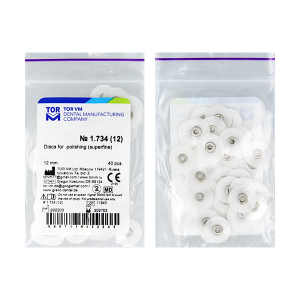
Preventive measures:
I- Use of a metal matrix band around the adjacent teeth as protection during preparation.
II- The proximal enamel of the tooth being prepared can be used for the protection of the adjacent tooth structures by using a thin tapered diamond bur parallel to the long axis, leaving a thin shell of enamel.
C- Damage to Soft Tissues:
Damage to the tongue, cheeks, and gingiva can occur during tooth preparation and other fixed prosthodontic procedures.
Prevention:
I- Damage to the tongue and cheeks can be prevented by careful retraction with mouth mirrors and suction tips.
II- Periodontal health considerations:
A- Rubber dam application provides excellent soft tissue protection, isolation, and retraction.
B- Avoid forceful application of retraction aids as excessive pressure can cause soft tissue laceration and permanent damage.
Periodontal Health and Subgingival Margins:
Important Concept: The distance from the epithelial attachment to the crest of the alveolar bone has been described as the “Biologic Width.”
Biologic Width:
Definition: Biologic width is the dimension of the dentogingival complex that acts as a protective physiological seal around natural teeth. It is the sum of the junctional epithelium and connective tissue attachment to the root surface.
Normal dimensions: Approximately 2-3 mm of healthy, natural supra-alveolar tooth surface is needed for the attachment of gingival tissues to the tooth.
Anatomical components:
I- Connective tissue attachment: approximately 1 mm in height.
II- Junctional epithelial attachment: approximately 1 mm in height.
III- The combined biologic width equals approximately 2 mm (range: 1.77–2.43 mm).
IV- The mean sulcular depth is approximately 0.69 mm.
Clinical Importance: If the margin of a restoration intrudes into this biologic width, inflammation will result, and osteoclastic activity is stimulated. Bone resorption will continue until the alveolar crest is at least 2 mm from the restoration margin.
Clinical Pearl: When subgingival margins are unavoidable, the restoration margin should be placed no more than 0.5–1.0 mm subgingivally, and this should never violate the biologic width. If violation is suspected, crown lengthening surgery should be considered.
Key Note: Supragingival margins are preferred whenever esthetics and clinical conditions permit, as they are easier to clean, cause less soft tissue trauma, facilitate impression making, and allow easier evaluation of the restoration.
Forceful application of retraction aids can also damage periodontal health and should be avoided.
D- Damage to the Pulp:
The dental pulp is a highly sensitive and vascular tissue enclosed within rigid dentinal walls. It reacts to every insult or injury.
Pulpal response to insult:
I- Degenerative change occurs with severe danger or irreversible injury.
II- Calcified repair (reactionary dentin or reparative dentin) if the danger is minor. The pulp may respond by forming reparative dentin (tertiary dentin) to seal off the injury.
Clinical Significance: The pulp is a highly sensitive and vital tissue encased within inflexible dentinal walls. Its blood supply is confined to a single arteriole entering through a narrow apical foramen, making it particularly vulnerable to injury.
Great care is needed to prevent pulpal injury, especially during complete crowns or retainers preparation. Extreme temperatures, chemical irritations, or microorganisms can cause irreversible pulpitis.
Prevention of pulp damage necessitates:
I- Selection of techniques and materials that will reduce the damaging effects during tooth preparation.
II- The morphology of the pulp chamber and pulp size, which decrease with age, must be taken into consideration.
Causes of Pulp Injury:
I- Temperature (Thermal Injury):
Heat is generated by friction between a rotary instrument and the tooth surface being prepared.
Heat generation is affected by:
A- Excessive pressure.
B- High rotational speeds.
C- Type, shape, and condition of the cutting instruments.
- Sharp vs. Dull Instruments: Dull rotary tools cause only rubbing (friction) and generate more heat.
Critical Temperature Threshold: A temperature rise of 130°F (approximately 54.4°C) within the pulp chamber can cause irreversible damage to the pulp. Studies have shown that an intrapulpal temperature increase of only 5.5°C above normal body temperature is sufficient to cause irreversible pulpal damage.
Prevention of Heat Generation:
A- Use of high speeds with minimum pressure.
B- Use of efficient cutting tools (sharp burs).
C- Use of sufficient air-water spray coolant.
D- Intermittent cutting (light intermittent cutting strokes, avoid continuous cutting without allowing cooling).
Importance of Water Coolant:
A- Effect of dry cutting: Air-cooling alone is generally insufficient to prevent dental pulp damage. Dry cutting leads to aspiration of odontoblast nuclei into dentinal tubules and increased dehydration due to flow of pulpal fluid into the dentinal floor. Pain persists until the nucleus returns to its original position (typically within 2–3 days).
B- Relying on air cooling only is not enough.
C- The tooth will be overheated unless water spray is used.
D- Dry tooth reduction causes aspiration of the odontoblast, drawing it up into the dentinal tubule, leading to a very painful response.
E- Water also removes debris that reduces cutting efficiency of the cutting tools and prevents desiccation of the dentin.
F- Research indicates that regardless of the rotary instrument, adequate water flow (approximately 40 ml/min of room temperature coolant) does not cause harmful temperature increases.
Avoid dull rotary tools, since dull edges cause only rubbing (friction) and generate more heat.
II- Chemical Actions:
Cutting tooth structure results in the production of tooth debris that can chemically irritate the pulp.
Debris management:
A- Enamel debris should be removed by warm water and a cotton pellet.
B- Dentinal debris is typically removed by etching with acid. However, acid etching increases dentin permeability and therefore may cause irritation.
Smear Layer Formation:
Definition: The smear layer is a tenacious surface layer of debris resulting from cutting the tooth during cavity preparation. It is composed mainly of fine particles of cut tooth structure and bacteria. The smear layer fills the orifices of dentinal tubules to form smear plugs, leading to a reduction in dentin permeability by up to 86%.
Effect of Acid Etching: Acid etching removes the smear layer and exposes the orifices of dentinal tubules, increasing dentin permeability rapidly. After removal of the smear layer by acid, dentin permeability through the dentinal tubules increases by more than 90%.
Irritating Agents:
A- Restorative resins, solvents, and luting agents can cause pulpal damage when applied to freshly cut dentin.
B- Cavity varnish may be used to seal dentinal tubules and reduce chemical irritation.
C- Chemical agents used for cleaning the prepared tooth can cause pulpal irritation (e.g., acid etching).
Safe Cleaning Methods:
Only a stream of warm water or wiping with moist cotton pellets or 3% hydrogen peroxide (H₂O₂) should be used for cleaning.
Why 3% Hydrogen Peroxide?
I- Compatible with living tissue.
II- Removes the smallest particles due to its bubbling action of oxygen.
Adverse Effects of Acid Etching on Dentin:
A- Acid causes funneling of open dentinal tubules (widening of tubule orifices).
B- Dissolves the hypercalcified ring (peritubular dentin), exposing the more permeable intertubular dentin.
C- Softens the cavity floor.
D- Increases dentin permeability.
III- Bacterial Actions:
Bacterial contamination is one of the most significant causes of pulpal pathology following restorative procedures.
Sources of bacterial injury:
A- Remaining caries under restorations.
B- Microleakage at restoration margins.
C- Composite resin due to polymerization shrinkage (creates gaps at margins).
Clinical Importance: Bacterial microleakage is considered the most common cause of postoperative pulpal inflammation and necrosis. Even the most biocompatible material will cause pulpal injury if bacterial leakage occurs at the restoration-tooth interface.
Dental Pain: Differential Diagnosis:
It is essential for the clinician to distinguish between dentinal pain and pulpal pain, as they have different etiologies and management strategies.
Dental Pain (Dentinal Pain):
- Quality: Sharp, lancinating.
- Localization: Well-localized (the patient can point to the specific tooth).
- Stimuli: Cold, touch, acid, dryness.
Pulpal Pain:
- Quality: Dull, throbbing.
- Localization: Poorly localized (the patient may not identify the exact tooth).
- Stimuli: Heat and raised venous pressure (e.g., when lying down).
Distinguishing clinical test: Cold relieves the “congested” pulpal pain (symptom of reversible pulpitis) but elicits sharp dental pain.
2- Biological Effect of Various Restorative Materials:
A- Amalgam:
Dental amalgam is a metallic restorative material composed of silver, tin, copper, and mercury.
- Corrosion by salivary sulfides → darkening of the restoration (tarnish).
- Corrosion products → reduce marginal leakage over time as corrosion products seal the margin (self-sealing property).
- Penetration of metallic ions → discoloration of dentin (bluish-gray staining).
- Amalgam tattoo: A localized bluish-gray pigmentation of the oral mucosa caused by the embedding of amalgam particles into soft tissue.
- Galvanism: An electrical current generated between dissimilar metallic restorations in the oral cavity, which may cause pain or a metallic taste.
- High thermal conductivity efficiently conducts temperature changes to the pulp, potentially causing sensitivity.
- Initially marginal leakage occurs; later decreases due to corrosion product formation.
- Treatment consideration: Use of a base (e.g., calcium hydroxide or glass ionomer) and cavity varnish to protect the pulp.
B- Composite Resins:
Composite resins are tooth-colored restorative materials composed of a resin matrix and inorganic filler particles.
- Direct chemical irritation to the pulp → in very deep cavities, a protective liner is required.
- Polymerization shrinkage is the volumetric contraction that occurs as monomers convert to polymers during curing.
- Polymerization shrinkage creates microleakage at the tooth-restoration interface.
- Clinical consequence: Microleakage may lead to post-operative sensitivity, marginal staining, secondary caries, and pulpal pathology.
C- Acrylic Restoration:
Acrylic resins (polymethyl methacrylate, PMMA) are used primarily for temporary restorations.
- Residual monomer (unreacted monomer) can leach out and affect the pulp, causing chemical irritation.
- Recommendation: Proper curing and heat processing reduce residual monomer content and improve biocompatibility.
D- Gold Castings:
Cast gold restorations are considered the gold standard in fixed prosthodontics due to their excellent biocompatibility and longevity.
- Thermal conductivity → requires insulating cement to protect the pulp.
- Solubility of cement over time leads to microleakage.
- Highly polished surface is essential to the health of the soft tissues (rough surfaces promote plaque accumulation and gingival inflammation).
E- Nickel Allergy (Nickel Alloys: Ni-Cr and Ni-Cr-Be):
Nickel-chromium alloys are used as a lower-cost alternative to gold alloys in metal-ceramic restorations.
- Rapid bone loss with a newly inserted nickel alloy restoration may occur due to allergic reaction.
- Prevalence of nickel allergy: Approximately 10–20% of the population is allergic to nickel.
- Gender difference: Females > Males (approximately 4.5% in females vs. 1.5% in males).
- Clinical presentation: Allergic reactions may appear locally as stomatitis or distantly in the form of contact dermatitis.
- Management: Replacement with nickel-free alternatives such as gold alloys or all-ceramic restorations (e.g., zirconia).
Important Clinical Note: Nickel allergy should be suspected when unexpected rapid bone loss and gingival inflammation occur after placement of a nickel-containing restoration. Patch testing may be indicated.
F- Porcelain (Ceramic Restorations):
Porcelain restorations are widely used for their excellent esthetics and biocompatibility.
- Highly glazed porcelain → high gingival tolerance.
- After porcelain adjustment → reglazing is necessary. Unglazed porcelain has a rough surface that increases plaque retention.
- High hardness → may cause wear of opposing natural dentition (especially natural enamel and opposing restorative materials).
- Poor marginal adaptation → adhesive cements (resin cements) are important for compensation and to prevent microleakage.
- Gingival health: Both porcelain and composite resin are biocompatible at the gingival margin when properly fabricated. However, poorly adapted or rough ceramic margins can cause tissue irritation and inflammation.
Clinical Pearl: All-ceramic restorations require meticulous marginal fit and proper cementation technique. Resin cements are often recommended for their adhesive properties and ability to compensate for minor marginal discrepancies.
G- Bases and Liners:
Bases and liners are materials placed between the restorative material and the dentin/pulp to provide protection and insulation.
Functions of bases and liners:
Insulation of dentin and pulp against different insults:
- Thermal shocks.
- Galvanism shocks.
- Chemicals.
- Penetration of metallic ions.
3- Biological Effect of Various Cements (Luting Agents):
Luting agents are materials used to cement fixed prostheses to prepared teeth.
A- Zinc Phosphate Cement:
Zinc phosphate cement is a traditional, time-tested luting agent composed of zinc oxide powder and phosphoric acid liquid.
- Traditional luting agent.
- High acidity (phosphoric acid): The initial pH is very low (approximately 1-2), which can be irritating to the pulp.
- However, the effect on the pulp is clinically acceptable in most cases.
- The response may be entirely reversible with a healthy pulp.
- pH rises within 24 hours after mixing as the cement sets and the acid is neutralized.
- To raise the initial pH: Use a frozen glass slab during mixing (prolongs working time but may reduce irritation).
- Cavity varnishes reduce its chemical effect on the pulp by sealing dentinal tubules.
B- Calcium Hydroxide Cement:
Calcium hydroxide is a commonly used liner and pulp-capping agent.
- Causes mineral deposition (dentin bridge formation) necessary for pulp exposure sites.
- Mechanism of action: Mild tissue irritation stimulates odontoblast-like cells to form reparative dentin.
- Indication: Direct and indirect pulp capping, liner under other restorative materials.
C- Zinc Polycarboxylate Cement:
Zinc polycarboxylate cement is an adhesive luting agent that bonds chemically to tooth structure.
- Large molecular size of polyacrylic acid → no significant penetration through dentinal tubules → no pulp irritation.
- Biocompatible.
- Rapid rise in pH after mixing (less acidic than zinc phosphate).
- Chemical bond to tooth structure: Chelation of polyacrylic acid with calcium ions in tooth minerals.
- Low exothermic reaction → minimal thermal irritation.
- Preferred cement for hypersensitive vital teeth.
D- Zinc Oxide Eugenol (ZOE) Cement:
Zinc oxide eugenol cement is widely used as a temporary cement and sedative dressing.
- Low mechanical strength → reinforcement with EBA (ethoxybenzoic acid) and PMMA (polymethyl methacrylate) improves strength.
- Palliative action (sedative effect): Eugenol has mild anesthetic and anti-inflammatory properties that soothe the pulp.
- Superior sealing quality.
- Bacteriostatic effect of eugenol reduces bacterial growth beneath restorations.
- Contains antioxidative and anti-inflammatory properties, making it suitable when surrounding gingival tissue is injured.
Important Note: Eugenol may interfere with the polymerization of resin-based materials and should not be used before resin cementation unless thoroughly removed. Eugenol may also soften and discolor acrylic resin provisional restorations.
E- Glass Ionomer Cement (GIC):
I- Conventional GIC:
- Post-cementation sensitivity → due to low initial pH.
- Bacteriostatic effect due to fluoride release and low pH.
- Fluoride release → anticariogenic effect.
- Coating surface with varnish is necessary to prevent early exposure to moisture and to reduce solubility.
- Desiccation (drying) causes shrinkage cracks. Therefore, cement at crown margins should be protected by varnish.
II- Modified GIC (Resin-Modified Glass Ionomer, RMGI):
- Less post-cementation sensitivity compared to conventional GIC.
- Resistance to initial solubility due to the resin component.
- Light-cured component allows for command set and improved handling.
- Better mechanical properties than conventional GIC.
F- Resin Luting Cements:
Resin cements are adhesive luting agents used primarily for bonding all-ceramic restorations and resin-bonded fixed partial dentures.
- Adhesion is critical: Adhesive bonding seals dentinal tubules.
- Benefits of adhesion: No microleakage and no post-operative hypersensitivity when properly bonded.
- Subgingival margins present a problem for bonding because moisture control is difficult. Resin cements require a dry, clean field for optimal adhesion.
- Provide the best wear resistance among luting cements.
- Indicated for bonded ceramics, resin-retained fixed partial dentures, and restorations requiring maximum retention.
4- Biological Effect of Temporary Crowns and Bridges:
Temporary (provisional) restorations are placed during the interval between tooth preparation and final cementation of the definitive restoration.
Importance of temporary restorations: To protect the prepared tooth from thermal, chemical, and mechanical irritation, bacterial invasion, maintain occlusal function and esthetics, and prevent tooth movement (drift, extrusion, rotation).
Indirect Method versus Direct Method:
- Direct method (intraoral, chairside fabrication): These are fabricated directly in the patient’s mouth.
- Direct methods are more harmful due to monomer contact with the pulp and gingiva, and high polymerization shrinkage.
- Indirect method (laboratory-fabricated): Preferred when possible due to better marginal adaptation and reduced chemical irritation.
Important Considerations for Provisional Restorations:
- Zinc oxide eugenol temporary cement softens acrylic resin (eugenol softening and discoloration of acrylic resin can occur).
- Marginal overhangs lead to mechanical irritation and plaque accumulation.
- Marginal adaptation is essential to prevent leakage (provisional margins have less precise adaptation than definitive restorations).
- Sealing of dentinal tubules with varnish or calcium hydroxide before provisional placement.
- Acrylic provisionals should be smoothened and polished to minimize plaque retention and gingival irritation.
5- Biological Effect of Impression Materials:
Impression materials used to record intraoral structures must be biocompatible, as they contact oral soft tissues during setting.
- Polysulfide impression material: Contains lead dioxide as a catalyst → may cause soft tissue irritation in susceptible individuals.
- Polyether impression material: Contains aromatic sulfonate catalyst → may cause allergic reactions (contact dermatitis or stomatitis). Literature reviews indicate that most contact allergies to impression materials are towards polyether materials.
Clinical Recommendation: A thorough medical history should be taken to identify patients with known allergies to impression material components. Alternatives should be selected when necessary.
6- Effect of Gingival Retraction (Tissue Displacement):
Definition:
Gingival retraction (tissue displacement) is the laying back of the free gingivae to expose the gingival margin (finish line) of a preparation using mechanical, chemical, or electrical methods for accurate impression making.
Methods of Gingival Retraction:
A- Mechanical Methods:
- Retraction cords (braided or knitted) placed in the gingival sulcus.
- Complication: If placed for more than 24 hours, mechanical retraction can lead to permanent gingival recession and attachment loss.
- Reduced perfusion of marginal gingiva is primarily evoked by the mechanical compression of the retraction cord.
B- Mechano-Chemical Methods:
- Retraction cords impregnated with chemical agents.
- 8% Epinephrine (Adrenaline) cord:
I- Contraindicated in patients with cardiac disease and hyperthyroidism.
II- Can cause epinephrine syndrome (tachycardia, palpitations, increased blood pressure, anxiety).
- Aluminum chloride cord:
I- May cause gingival inflammation in some cases.
II- A safer alternative to epinephrine in medically compromised patients.
C- Surgical Methods:
- Requires experienced hand to avoid destruction of periodontium.
- Includes gingivectomy, electrosurgery.
- Indicated when significant gingival tissue must be removed for margin exposure.
D- Laser Retraction:
- Faster and less painful.
- Pulsed Nd:YAG laser irradiation has been used to achieve gingival retraction.
- Better hemostasis compared to conventional methods.
- Minimal thermal damage to surrounding tissues when properly used.
Key Clinical Guideline for Gingival Retraction:
- Select the least traumatic method that achieves adequate displacement.
- Minimize cord placement time (typically 5–15 minutes).
- Use retraction cords with caution in medically compromised patients.
- Consider laser or surgical retraction for patients with cardiovascular concerns.
Summary:
The biological considerations of fixed prosthodontics encompass the effects of:
1- Tooth preparation (damage to tooth structure, adjacent teeth, soft tissues, and pulp).
2- Tissue displacement (gingival retraction).
3- Impression taking (material biocompatibility).
4- Temporary restorations (protection vs. irritation).
5- Restorative materials (amalgam, composite, acrylic, gold, nickel alloys, porcelain).
6- Luting agents (zinc phosphate, calcium hydroxide, zinc polycarboxylate, zinc oxide eugenol, glass ionomer, resin cements).
Key Clinical Message: Every fixed prosthodontic procedure must be performed with a thorough understanding of its biological consequences. Conservative preparation, appropriate material selection, and meticulous technique are essential to preserve the health of the pulp, periodontium, and oral tissues.